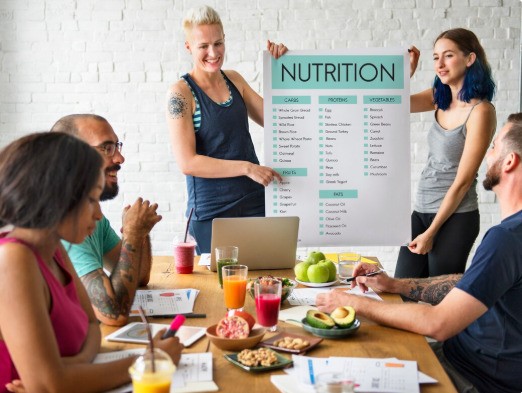
Good nutrition plays an important role in supporting overall health, energy, and everyday well-being. With so much nutrition information available online, it can sometimes be difficult to know which advice to follow. Nutrition advice theweeklyhealthiness focuses on simple, practical, and sustainable habits that can help people make better food choices without following extreme diets.
Healthy eating does not mean giving up all your favorite foods or following complicated meal plans. Instead, it is about creating a balanced eating pattern that provides your body with a variety of essential nutrients.
What Is Healthy Nutrition?
Healthy nutrition means providing your body with the nutrients it needs through a varied and balanced diet. These nutrients include carbohydrates, proteins, fats, vitamins, minerals, fiber, and water.
A healthy eating pattern can include:
- Fresh fruits and vegetables
- Whole grains
- Lean sources of protein
- Beans and legumes
- Nuts and seeds
- Dairy or suitable alternatives
- Healthy sources of fats
- Plenty of water
The key is variety. Eating different foods can help provide a broader range of nutrients.
Nutrition Advice TheWeeklyHealthiness for Everyday Meals
One of the most useful principles of nutrition advice theweeklyhealthiness is to create balanced meals. Instead of concentrating on one particular food group, try to combine different types of nutritious foods.
For example, a balanced lunch could include grilled chicken or beans, brown rice or whole-grain bread, a serving of vegetables, and a piece of fruit.
This approach can make meals more satisfying while helping you include a wider variety of nutrients.
Eat More Fruits and Vegetables
Fruits and vegetables are important components of a nutritious diet. They provide vitamins, minerals, fiber, and other beneficial compounds.
Try to include different colors of fruits and vegetables in your meals. Green vegetables, berries, oranges, tomatoes, carrots, and peppers can all add variety to your diet.
Fresh produce is a great option, but frozen and canned fruits and vegetables can also be convenient alternatives. When buying canned products, checking the nutrition label can help you choose options with less added sugar or sodium.
Choose Whole Grains
Whole grains can be an excellent source of dietary fiber and other nutrients. Examples include oats, brown rice, whole-wheat bread, whole-grain pasta, barley, and quinoa.
You can gradually replace refined grain products with whole-grain alternatives. For example, choose oatmeal instead of a highly processed breakfast option or whole-grain bread for sandwiches.
Small changes like these can make healthy eating easier to maintain.
Include Protein in Your Diet
Protein is an essential nutrient that supports many functions in the body. There are numerous ways to include protein in your meals.
Common sources include:
- Eggs
- Fish
- Chicken
- Lean meats
- Beans
- Lentils
- Greek yogurt
- Milk
- Nuts
- Seeds
- Tofu and other plant-based foods
Including different protein sources throughout the week can add variety to your meals.
Stay Properly Hydrated
Hydration is another important part of a healthy lifestyle. Water is generally a simple and effective choice for maintaining hydration.
Your individual fluid needs can vary depending on factors such as physical activity, climate, age, and other circumstances.
Keeping water nearby throughout the day can make it easier to drink regularly. You can also include water-rich foods such as fruits and vegetables as part of your overall eating pattern.
Be Mindful of Added Sugar and Sodium
Many packaged foods and beverages can contain significant amounts of added sugar or sodium. Consuming too much of these nutrients may make it more difficult to maintain a balanced diet.
Reading nutrition labels can help you understand what is in the foods you purchase. Compare similar products and consider options with lower amounts of added sugar and sodium when appropriate.
This does not mean that you have to completely avoid treats or packaged foods. Moderation and overall dietary balance are important.
Pay Attention to Portion Sizes
Healthy food choices are only one part of nutrition. Portion sizes can also influence your overall food intake.
There is no single portion size that works for everyone because nutritional needs vary between individuals. However, eating slowly and paying attention to hunger and fullness can help you become more aware of how much food your body needs.
Using smaller plates or serving food in reasonable portions can also be helpful for some people.
Plan Your Meals
Meal planning can make healthy eating much easier. When you plan meals ahead of time, you are more likely to have nutritious ingredients available when you need them.
A simple weekly plan might include:
- Choosing several meals for the week.
- Creating a grocery list.
- Buying a variety of fruits and vegetables.
- Preparing some ingredients in advance.
- Keeping healthy snacks available.
Meal preparation does not have to take hours. Even preparing a few basic ingredients ahead of time can save time during busy days.
Avoid Extreme Diets
One important part of nutrition advice theweeklyhealthiness is understanding that healthy eating does not require extreme restrictions.
Very restrictive diets can be difficult to maintain and may make eating feel unnecessarily complicated. Instead, focus on building habits that you can continue for the long term.
Rather than completely eliminating foods you enjoy, consider how they fit into your overall eating pattern.
Healthy Snacks for Busy Days
Choosing nutritious snacks can help you maintain energy between meals. Some simple options include:
- Fresh fruit
- Yogurt
- Nuts and seeds
- Vegetable sticks
- Whole-grain crackers
- Boiled eggs
- Hummus with vegetables
The best snack depends on your personal preferences, dietary needs, and daily routine.
Make Healthy Eating Sustainable
A healthy diet should fit your lifestyle. If your eating plan is too complicated, it may be difficult to maintain.
Instead, start with small changes. For example, you could add an extra serving of vegetables to dinner, drink more water, replace some refined grains with whole grains, or prepare meals at home more frequently.
Once these habits become comfortable, you can gradually introduce additional improvements.
Frequently Asked Questions
What is the most important nutrition advice for beginners?
Beginners can start by focusing on variety and balance. Include fruits, vegetables, whole grains, protein-rich foods, healthy fats, and adequate fluids in your daily eating pattern.
How can I improve my nutrition without following a strict diet?
Focus on adding nutritious foods instead of creating a long list of foods you cannot eat. Increasing fruits, vegetables, whole grains, and quality protein sources can be a practical starting point.
Are carbohydrates part of a healthy diet?
Yes. Carbohydrates can provide an important source of energy. Choosing nutrient-rich carbohydrate sources such as whole grains, fruits, vegetables, and legumes can be part of a balanced eating pattern.
How can I make healthy eating easier?
Meal planning, keeping nutritious foods available, preparing ingredients in advance, and learning to read nutrition labels can make healthy choices easier.
Can I eat unhealthy foods sometimes?
A balanced diet can include foods that are eaten primarily for enjoyment. The overall pattern of your diet matters more than one individual meal or occasional treat.
Final Thoughts
Healthy eating does not need to be complicated or restrictive. The most practical approach is to focus on balance, variety, moderation, and consistency.